This is not medical advice. This information is for education and entertainment purposes. Seek Professional Guidance and support with any lifestyle and nutritional change.
Here is more information that I hope clarifies further discussion points, including wholefood sources and their effectiveness or supplements and how to choose the best source for you.
I feel at times all this information can feel like a seesaw!
Sometimes a very expensive one!
My recommendation is to look at this information with a broad view and then later with the question of how does this apply to me…..
Also….. the reality is we are living in this world – in this time!
Meaning – enjoy life!
If you have a beautiful meal sitting in front of you that you know will have more chemicals than when you eat at home…. bless the food, have gratitude for the food and enjoy every mouthful!
It is here we must remember the mindset and joy in life are absolute pillars of health!

Depending on your body, sometimes taking an increase in supplements results in very expensive urine.
Meaning, your body has a hard time metabolising the nutrients and your body ends up eliminating what it has trouble processing.

This is a huge section of information!
This is where I want you to consider just how important it is to have awareness of your needs and the triggers that we can accidentally add in or deliberately remove for our recovery and optimal vitality.
Rather than trying what has worked for someone else…. let’s work out what is correct for you!

Food and supplement sources provide essential nutrients to reduce oxidative stress, support heavy metal detoxification, and promote bone/joint health, but their efficacy depends on bio-individual needs, toxin load, and absorption capacity.
Food sources offer whole-food synergies, while supplements provide concentrated doses for targeted support.
Some examples:
Calcium is crucial for bone health (e.g., preventing osteopenia), and its sources (food vs. supplements) must be tailored to avoid risks. Further discussion below.
Grapefruit effectively lowers blood pressure and cholesterol but interacts with certain medications, requiring caution.
Dairy and milk alternatives (almond, oat, UHT) vary in health benefits and risks, especially for the endocrine system, with organic/raw sources potentially offering advantages.
The selenium-iodine synergy supports thyroid-driven detox, and bio-individuality ensures protocols align with unique needs (Nutrients, 2017).

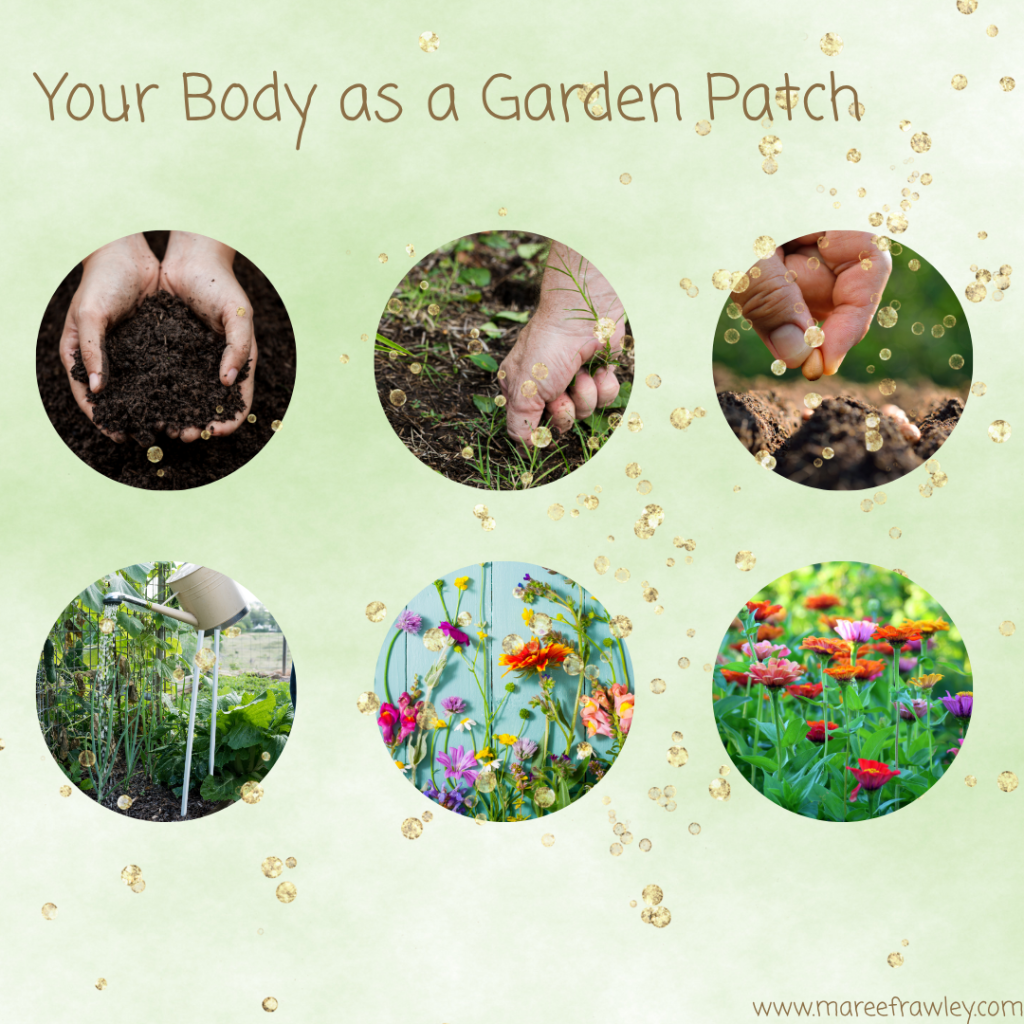
Your body is a unique garden, with nutrients as water and fertilizer. Food sources are like a gentle rain, nourishing naturally but slowly, while supplements are like a targeted sprinkler, delivering precise nutrients but risking overwatering if mismanaged. Calcium strengthens the garden’s roots (bones), grapefruit clears the air (circulation), and dairy or milk alternatives are like soil types—some enrich, others may disrupt the endocrine balance.
Honoring bio-individuality tailors the care, igniting the garden’s healing potential.
Food Sources vs. Supplements
Pros and Cons of Food Sources
- Positives:
- Whole-Food Synergy: Contain co-factors (e.g., Vitamin K2 in dairy for calcium absorption) that enhance bioavailability and reduce oxidative stress (Journal of Nutritional Biochemistry, 2019).
- Holistic Benefits: Provide fiber, phytonutrients, and enzymes (Science, 2013).
- Low Risk: Minimal overdose risk, ideal for low-toxicity individuals (Web:0).
- Negatives:
- Lower Potency: May not meet therapeutic needs for high metal loads or severe deficiencies or treating specific ailments (e.g., calcium for osteopenia) (NHMRC, 2024).
- Absorption Variability: Depends on digestion, cooking methods, and quality of food and its source (Journal of Agricultural and Food Chemistry, 2014).
- Allergies/Sensitivities: Dairy or soy may disrupt the endocrine system in sensitive individuals (Journal of Clinical Endocrinology & Metabolism, 2018).
Supplement Sources
- Positives:
- High Potency: Deliver concentrated doses for specific health recovery or deficiencies Nutrients, 2017).
- Targeted Support: Address specific needs (e.g., calcium citrate for bone health, iodine for thyroid) (Web:8).
- Convenience: Easy to dose, supporting bio-individual detox (Journal of Environmental and Public Health, 2020).
- Negatives:
- Overdose Risk: Excessive intake (e.g., calcium >2,500 mg/day) can cause kidney stones or vascular calcification (Journal of Bone and Mineral Research, 2015).
- Lack of Synergy: Isolated nutrients may lack co-factors (e.g., calcium without Vitamin D) (Journal of Nutritional Biochemistry, 2019).
- Adrenal Overload: High doses in sensitive individuals may stress adrenals (Journal of Clinical Endocrinology & Metabolism, 2018).
- Quality Concerns: Contaminants in low-quality supplements (Web:0).
Grapefruit as an example
Benefits and Medication Interactions
Benefits for Blood Pressure and Cholesterol:
- Mechanism: Grapefruit contains flavonoids (e.g., naringenin) and antioxidants that reduce oxidative stress, improve endothelial function, and lower LDL cholesterol and blood pressure (Journal of Agricultural and Food Chemistry, 2012).
- Its potassium content supports vascular health, reducing strain on joints and bones (Arthritis Research & Therapy, 2017).
- Detox Relevance: Lowers inflammation, supporting lymphatic flow and glymphatic clearance, aiding heavy metal detox (Science, 2013).
- Ayurvedic Note: Cooling for Pitta types, supporting cardiovascular health (Journal of Ayurveda and Integrative Medicine, 2020).
Medication Interactions
- Why Caution is Needed: Grapefruit inhibits the cytochrome P450 enzyme (CYP3A4) in the liver, slowing the metabolism of certain medications for cholesterol (e.g., statins like atorvastatin) and blood pressure (e.g., calcium channel blockers like amlodipine), leading to increased drug levels and potential toxicity (British Journal of Clinical Pharmacology, 2016).
- Risks: Side effects include muscle pain (statins), low blood pressure, or organ damage (Web:0).
- Recommendation: Avoid grapefruit if taking these medications; consult a doctor. Alternatives include oranges or berries for similar antioxidants without interactions (Web:8).
Calcium
Calcium is essential for bone density (preventing osteopenia/osteoporosis), muscle function, and nerve signaling, but requires co-factors (e.g., Vitamin D, magnesium, K2) for absorption and to prevent vascular calcification (Journal of Bone and Mineral Research, 2015).
Heavy metals (e.g., cadmium, aluminium) disrupt calcium metabolism, increasing bone loss (Environmental Health Perspectives, 2008).
(Remember our discussions on tap water, the chemical cocktail and what happens when tap water is boiled – aluminium is concentrated and will create a bio-chemistry that we do not need for optimal health).
Food Sources
- Best:
- Dairy: Greek yogurt (200 mg per 150 g), hard cheese (e.g., cheddar, 721 mg per 100 g), milk (125 mg per 100 ml) (USDA Food Database, 2023).
- Non-Dairy: Kale (150 mg per 100 g), sardines with bones (382 mg per 100 g), almonds (264 mg per 100 g).
- Quantity: 2 cups kale (300 mg), 100 g sardines (382 mg), or 150g yogurt (200 mg) daily (meeting RDA of 1,000–1,200 mg/day for women over 40).
- Ayurvedic Note: Vata: warm milk; Pitta: cooling yogurt; Kapha: light kale salads (Web:0).
Supplement Sources
- Forms: Calcium citrate (better absorbed, less constipating) or calcium carbonate (cheaper, take with food) (Nutrients, 2017).
- Dosage: 500–1,000 mg daily, split doses, with Vitamin D (2,000 IU) and magnesium (300 mg) for synergy (Web:8).
- Caution: Avoid >2,500 mg/day to prevent kidney stones or calcification; consult for high-toxicity states (Journal of Bone and Mineral Research, 2015).
Bio-Individuality: Dairy suits low-toxicity individuals with strong digestion; non-dairy or supplements for lactose-intolerant or high-toxicity individuals (Web:0).
Dairy and Milk Alternatives
Scientific Perspective and Endocrine Impact
Dairy (Milk, Yogurt, Cheese):
- Scientific View: Dairy provides calcium, Vitamin D, and protein, supporting bone health and reducing osteopenia risk (Journal of Bone and Mineral Research, 2015).
- However, high saturated fat in whole milk may increase inflammation in osteoarthritis, and hormones in non-organic dairy (e.g., IGF-1) may disrupt the endocrine system, potentially affecting thyroid or estrogen balance (Journal of Clinical Endocrinology & Metabolism, 2018).
- Organic/Raw Dairy:
- Benefits: Organic dairy avoids hormones and antibiotics, reducing endocrine disruption. Raw dairy retains enzymes (e.g., lactase), aiding digestion for some, but evidence is limited (Web:0).
- Risks: Raw milk carries bacterial risks (e.g., Listeria), especially for immunocompromised individuals (CDC, 2023). Organic dairy still contains lactose, problematic for lactose-intolerant individuals (Web:8).
- Ayurvedic Note: Vata benefits from warm, organic milk; Pitta from cooling yogurt; Kapha should limit dairy (Journal of Ayurveda and Integrative Medicine, 2020).
- Quantity: 150 g yogurt or 100 ml organic milk daily for low-toxicity individuals; avoid if sensitive (USDA Food Database, 2023).
Milk Alternatives
- Processed Soy Milk:
- Positives: High in protein (7 g per 250 ml), isoflavones may support bone health (Nutrients, 2017).
- Negatives: Non-organic soy contains phytoestrogens that may disrupt thyroid or estrogen balance, especially in high-toxicity or Vata types (Journal of Clinical Endocrinology & Metabolism, 2018).
- Processing may add sugars or additives, increasing inflammation (Web:0).
- Quality: Choose organic, non-GMO soy milk; limit to 250 ml daily (USDA Food Database, 2023).
- Almond Milk:
- Positives: Low-calorie (30–50 kcal per 250 ml), fortified with calcium (300 mg per 250 ml) and Vitamin D, supports bone health (USDA Food Database, 2023). Minimal endocrine impact for most (Web:8).
- Negatives: Low protein (1 g per 250 ml), may contain additives (e.g., carrageenan) linked to gut inflammation. High oxalate content may increase kidney stone risk in susceptible individuals (Journal of Agricultural and Food Chemistry, 2014). Many people turn to almond milk for protein. See further explanations of this further down the page.
- Quality: Choose unsweetened, organic almond milk; 250 ml daily for low-toxicity individuals (Web:0).
- Ayurvedic Note: Cooling for Pitta; Vata types pair with warming spices (Journal of Ayurveda and Integrative Medicine, 2020).
- Oat Milk:
- Positives: Fortified with calcium (300 mg per 250 ml) and Vitamin D, supports bone health. High fiber (2 g per 250 ml) aids digestion and lymphatic flow (USDA Food Database, 2023).
- Negatives: High carbohydrate content (16 g per 250 ml) may spike blood sugar, problematic for Kapha or diabetic individuals. Additives (e.g., oils) may increase inflammation (Web:0).
- Quality: Choose unsweetened, organic oat milk; 250 ml daily for low-toxicity individuals (Web:8).
- Ayurvedic Note: Warming for Vata; limit for Kapha (Journal of Ayurveda and Integrative Medicine, 2020).
UHT Milks
- Process: Ultra-heat treatment (135–150°C) extends shelf life but denatures proteins and enzymes, reducing nutritional value (Journal of Agricultural and Food Chemistry, 2014).
- Chemicals: UHT milk may contain trace additives (e.g., stabilizers in plant-based milks) or packaging residues (e.g., bisphenols from cartons), potential endocrine disruptors (Environmental Health Perspectives, 2011). Organic UHT minimizes additives but still lacks enzymes (Web:0).
- Health Impact: Reduced nutrient bioavailability; potential endocrine disruption in sensitive individuals (Journal of Clinical Endocrinology & Metabolism, 2018).
- Recommendation: Prefer fresh, organic dairy or plant-based milks; limit UHT to occasional use (Web:8).
Organic/Raw vs. Conventional
- Organic: Reduces exposure to hormones, antibiotics, and pesticides, minimizing endocrine disruption and supporting detox (Environmental Health Perspectives, 2011).
- Raw Milk: May retain enzymes and nutrients, but bacterial risks outweigh benefits for most, especially in high-toxicity states (CDC, 2023).
- Bio-Individuality: Organic dairy or plant milks suit low-toxicity individuals with strong digestion; avoid raw milk unless sourced safely (Web:0).
Best Food Sources and Quantities for Key Nutrients
Below are the best food sources and quantities for calcium, omega-3s, antioxidants (Vitamin C), and other nutrients, with supplement alternatives.
- Calcium
- Role: Supports bone density, prevents osteopenia, and aids nerve signaling (Journal of Bone and Mineral Research, 2015).
- Food Sources:
- Best: Greek yogurt (200 mg per 150 g), sardines with bones (382 mg per 100 g), kale (150 mg per 100 g) (USDA Food Database, 2023).
- Quantity: 150 g yogurt + 1 cup kale (350 mg) or 100 g sardines (382 mg) daily (RDA: 1,000–1,200 mg/day).
- Ayurvedic Note: Vata: warm yogurt; Pitta: cooling kale (Web:0).
- Supplement: 500–1,000 mg daily (calcium citrate) with Vitamin D (2,000 IU) (Nutrients, 2017).
- Bio-Individuality: Food for low-toxicity; supplements for high-toxicity or osteopenia (Web:8).
- Omega-3 Fatty Acids (EPA/DHA)
- Role: Reduces joint inflammation, supports nervous system (Arthritis Research & Therapy, 2017).
- Food Sources:
- Best: Wild-caught salmon (1,800 mg per 100 g), mackerel (2,500 mg per 100 g) (USDA Food Database, 2023).
- Quantity: 100 g salmon 2–3x weekly (1,800 mg/day, meeting 1,000 mg target).
- Ayurvedic Note: Kapha: grilled fish; Vata: warm preparations (Web:0).
- Supplement: 1,000 mg EPA/DHA daily (fish or algae-based) (Nutrients, 2017).
- Antioxidants (Vitamin C)
- Role: Neutralizes ROS, supports collagen for bones/joints (Journal of Nutritional Biochemistry, 2019).
- Food Sources:
- Best: Guava (228 mg per 100 g), capsicum (128 mg per 100 g), grapefruit (31 mg per 100 g, avoid with medications) (USDA Food Database, 2023).
- Quantity: 1 guava (228 mg) or 1 cup capsicum (190 mg) daily (RDA: 75 mg/day, therapeutic ~1,000 mg).
- Ayurvedic Note: Pitta: cooling guava; Vata: steamed peppers (Web:0).
- Supplement: 1,000 mg daily (buffered Vitamin C) (Web:8).
- Selenium and Iodine
- Role: Supports thyroid, detox, and bone health (Nutrients, 2017).
- Food Sources:
- Selenium: Brazil nuts (544 mcg per nut), salmon (40 mcg per 100 g). Quantity: 1 Brazil nut daily (55 mcg, RDA: 55 mcg/day) (USDA Food Database, 2023).
- Iodine: Seaweed (2,000 mcg per 10 g), cod (99 mcg per 100 g). Quantity: 1 tsp kelp weekly (150 mcg/day, RDA: 150 mcg/day).
- Supplement: 100 mcg selenium + 150 mcg iodine daily, under supervision (Journal of Endocrinology, 2016).
- Magnesium, Zinc, NAC, Chlorella, Zeolite (as previously detailed):
- Magnesium: Pumpkin seeds (134 mg per 1/4 cup), RDA: 320 mg/day (USDA Food Database, 2023). Supplement: 300 mg daily (Web:8).
- Zinc: Oysters (76 mg per 100 g), RDA: 8 mg/day. Supplement: 15–30 mg daily (Web:8).
- NAC: Garlic/ onions (1–2 cloves daily, supportive). Supplement: 600 mg daily (Journal of Nutritional Biochemistry, 2019).
- Chlorella: 1 tsp powder daily in smoothies (Nutrition Research and Practice, 2015).
- Zeolite: Supplement only, 1/4 tsp daily (Journal of Environmental and Public Health, 2020).
Holistic Integration and Next Steps
Food sources (e.g., yogurt, salmon) provide synergy for low-toxicity states, while supplements (e.g., calcium, NAC) target high metal loads, reducing oxidative stress and supporting bone/joint health (Journal of Nutritional Biochemistry, 2019).
Grapefruit aids cardiovascular health but requires caution with medications (British Journal of Clinical Pharmacology, 2016).
Organic dairy or plant milks minimize endocrine disruption, tailored to your unique needs including Doshas (Vata: warm milk; Pitta: cooling almond milk) (Journal of Ayurveda and Integrative Medicine, 2020).
Why Almond Milk is Low in Protein Compared to Almond Flour
Production Process
- Almond Flour:
- How It’s Made: Almond flour is produced by grinding whole or blanched almonds into a fine powder, retaining most of the nut’s natural nutrients, including protein, healthy fats, and fiber (USDA Food Database, 2023). It is minimally processed, preserving the almond’s dense nutritional profile.
- Protein Content: Approximately 21 g protein per 100 g (or ~6 g per 1/4 cup), making it a high-protein flour for baking or cooking, ideal for supporting muscle and bone health (Journal of Agricultural and Food Chemistry, 2014).
- Composition: Contains the whole almond (or almond meal with skins), including the protein-rich nut meat, which is why it’s considered a “protein flour” for low-carb or ketogenic diets (Web:0).
- Almond Milk:
- How It’s Made: Almond milk is created by soaking almonds, blending them with water, and straining out the solids (pulp), leaving a liquid with minimal almond content. Commercial almond milk often uses a low almond-to-water ratio (e.g., 2–5% almonds), further diluting nutrients (USDA Food Database, 2023).
- Protein Content: Approximately 1 g protein per 250 ml (1 cup), significantly lower than almond flour due to the removal of protein-rich solids and high water content (Journal of Agricultural and Food Chemistry, 2014).
- Composition: Primarily water, with added stabilizers (e.g., carrageenan), sweeteners, or fortifiers (e.g., calcium, Vitamin D), prioritizing hydration over protein density (Web:0).
Key Reasons for Low Protein in Almond Milk:
- Dilution: The straining process removes most of the almond’s protein-rich pulp, leaving a liquid with only trace amounts of protein. For example, 100 g of almonds yields ~20 g protein, but after blending with 1–2 liters of water and straining, the resulting milk retains only a fraction (USDA Food Database, 2023).
- Low Almond Content: Commercial almond milk often contains 2–5% almonds, meaning a 250 ml serving may derive from just 2–5 g of almonds (~0.2–0.5 g protein before straining) (Web:8).
- Processing: Straining prioritizes a smooth texture for drinking, sacrificing protein-rich solids that remain in almond flour (Journal of Agricultural and Food Chemistry, 2014).
- Fortification Focus: Almond milk is often fortified with calcium or Vitamin D to mimic dairy’s bone health benefits, not protein (Nutrients, 2017).
Comparison:
- Almond Flour: Dense, whole-food form; ~21% protein by weight, suitable for building bone/muscle mass and supporting detoxification (Journal of Nutritional Biochemistry, 2019).
- Almond Milk: Diluted, low-nutrient form; ~0.4% protein by weight, better for hydration or low-calorie diets but less effective for protein needs (Web:0).
Oat Milk – further discussion
Oat milk has surged in popularity as a dairy alternative due to its creamy texture, sustainability, and fortification with nutrients like calcium and Vitamin D, making it appealing for plant-based diets and those with lactose intolerance.
However, concerns about its high carbohydrate content, potential toxicity from additives or processing, and suitability for specific health needs (e.g., detoxification, bone health) warrant a closer look.
Nutritional Profile of Oat Milk
- Composition (USDA Food Database, 2023):
- Per 250 ml (1 cup, unsweetened, fortified):
- Calories: 40–50 kcal
- Protein: 1–2 g (low compared to dairy or soy milk)
- Carbohydrates: 7–16 g (higher than almond milk, ~1–2 g)
- Fat: 2–3 g (often includes added oils)
- Calcium: 300–350 mg (fortified, ~30% RDA for women over 40)
- Vitamin D: 2–3 mcg (fortified, ~15–20% RDA)
- Fiber: 1–2 g (supports digestion)
- Per 250 ml (1 cup, unsweetened, fortified):
- Key Nutrients: Fortified calcium and Vitamin D support bone health (e.g., osteopenia prevention), while fiber aids digestion and lymphatic flow (Journal of Bone and Mineral Research, 2015; Journal of Biochemical and Molecular Toxicology, 2009).
- Processing: Made by soaking oats, blending with water, and straining, often with additives (e.g., stabilizers, oils, sweeteners) to enhance texture and shelf life (Journal of Agricultural and Food Chemistry, 2014).
Benefits of Oat Milk
- Bone Health: Fortified with calcium (300 mg per 250 ml) and Vitamin D, oat milk supports bone density, reducing osteopenia risk, especially for lactose-intolerant individuals (Nutrients, 2017).
- Digestive Support: Fiber (1–2 g per cup) promotes gut health, aiding lymphatic drainage and detoxification of heavy metals (e.g., mercury, aluminium) (Journal of Environmental and Public Health, 2020).
- Cardiovascular Health: Beta-glucans in oats lower LDL cholesterol (Journal of Agricultural and Food Chemistry, 2012).
- Sustainability: Oat milk has a lower environmental impact than dairy or almond milk, appealing to eco-conscious consumers (Web:0).
Risks and Toxicity Concerns
High Carbohydrate Content:
- Issue: Oat milk contains 7–16 g carbs per 250 ml (vs. 1–2 g in almond milk), primarily from oat starches, which can spike blood sugar, especially in sweetened varieties (USDA Food Database, 2023).
- Impact: Problematic for Kapha types, diabetics, or those with insulin resistance, potentially increasing inflammation and oxidative stress, which exacerbate osteoarthritis (Arthritis Research & Therapy, 2017).
- Bio-Individuality: High-toxicity individuals (e.g., with PFAS exposure) should limit intake or choose unsweetened versions to avoid blood sugar spikes (Journal of Clinical Endocrinology & Metabolism, 2018).
Additives and Processing:
- Concern: Commercial oat milk often contains additives like:
- Carrageenan: Linked to gut inflammation in sensitive individuals, potentially disrupting the endocrine system (Journal of Agricultural and Food Chemistry, 2014).
- Vegetable Oils: High omega-6 content (e.g., canola oil) may increase inflammation, counteracting omega-3 benefits (Nutrients, 2017).
- Sweeteners: Added sugars increase carbs, raising oxidative stress (Web:0).
- Toxicity Claims: Some critics label oat milk as “toxic” due to:
- Glyphosate Residues: Non-organic oats may contain traces of this herbicide, a potential endocrine disruptor and carcinogen (Environmental Health Perspectives, 2019).
- Phytic Acid: Oats contain phytic acid, an “anti-nutrient” that binds minerals (e.g., calcium, zinc), reducing absorption, especially in high-toxicity states (Journal of Agricultural and Food Chemistry, 2014).
- UHT Processing: Ultra-heat-treated (UHT) oat milk may contain trace bisphenols from packaging, potential endocrine disruptors (Environmental Health Perspectives, 2011).
- Impact: These factors may exacerbate inflammation or impair detoxification in sensitive individuals, particularly those with high metal loads (e.g., mercury from amalgam fillings) (Journal of Environmental and Public Health, 2020).
Impact of Oat Milk, Soy Milk, and Almond Milk on Testosterone (Men), Estrogen (Women), and Overall Hormonal Balance
Oat milk, soy milk, and almond milk are popular dairy alternatives, but their effects on testosterone balance in men, estrogen balance in women, and overall hormonal balance depend on their ingredients (e.g., phytoestrogens, additives), processing, and bio-individual factors like toxin load, gut health, and Ayurvedic constitution.
Concerns arise from phytoestrogens (soy), high carbohydrates (oat), and additives (all three), which may influence the hypothalamic-pituitary-gonadal (HPG) axis, thyroid function, and insulin sensitivity, critical for hormonal balance (Journal of Clinical Endocrinology & Metabolism, 2018).
This section evaluates each milk’s impact on testosterone (men), estrogen (women, especially women over 40 with menopausal shifts), and overall hormonal health, with practical applications for detoxification and hormonal support in the context of oxidative stress and heavy metal load (Journal of Environmental and Public Health, 2020).
Soy Milk
Nutritional Profile (USDA Food Database, 2023):
- Per 250 ml (1 cup, unsweetened):
- Protein: 7 g
- Carbohydrates: 4 g
- Fat: 4 g
- Calcium: 300 mg (fortified)
- Isoflavones: ~25 mg (phytoestrogens)
Impact on Hormonal Balance:
- Testosterone in Men:
- Phytoestrogens: Soy isoflavones (e.g., genistein, daidzein) mimic estrogen, potentially binding to estrogen receptors or inhibiting aromatase (testosterone-to-estrogen conversion), which may reduce free testosterone in sensitive men (Journal of Endocrinology, 2016).
- Research: Hamilton-Reeves et al. (2010) (Fertility and Sterility, DOI: 10.1016/j.fertnstert.2009.04.038) found no significant testosterone reduction with moderate soy intake (up to 70 g/day soy protein or 240 mg/day isoflavones), but high doses (>100 mg/day isoflavones) may slightly lower free testosterone in men with low baseline levels or high toxicity (Journal of Nutrition, 2010).
- Risk Factors: Heavy metals (e.g., mercury from amalgam fillings) amplify endocrine disruption, increasing soy’s impact (Environmental Health Perspectives, 2008).
- Estrogen in Women:
- Phytoestrogens: Isoflavones may act as weak estrogens or anti-estrogens, depending on endogenous estrogen levels. In postmenopausal women (low estrogen), soy may mimic estrogen, alleviating symptoms like hot flashes. In premenopausal women (high estrogen), it may block estrogen receptors, potentially reducing estrogen dominance (Menopause, 2015; DOI: 10.1097/GME.0000000000000351).
- Research: Messina & Loprinzi (2001) (Journal of Nutrition, DOI: 10.1093/jn/131.11.3095S) suggest soy isoflavones (25–50 mg/day) have minimal impact on estrogen levels but may modulate HPG axis, benefiting women with menopausal symptoms. High doses (>100 mg/day) may disrupt estrogen balance in estrogen-sensitive women (e.g., with high toxicity or thyroid issues) (Journal of Clinical Endocrinology & Metabolism, 2018).
- Risk Factors: Women over 40 with heavy metal load (e.g., cadmium from tap water) or thyroid dysfunction are more susceptible to imbalances (NHMRC, 2024).
- Overall Hormonal Balance:
- Soy’s phytoestrogens may disrupt thyroid function (e.g., reducing T4) in iodine-deficient individuals, affecting metabolism and hormonal regulation (Journal of Endocrinology, 2016).
- Non-organic soy may contain glyphosate, a potential endocrine disruptor, increasing oxidative stress and HPG axis dysregulation (Environmental Health Perspectives, 2019).
- Bio-Individuality:
- Vata Types: High protein supports energy, but phytoestrogens may overstimulate sensitive endocrine systems (Journal of Ayurveda and Integrative Medicine, 2020).
- Pitta Types: Cooling soy milk suits digestion but may disrupt estrogen in high-toxicity women.
- Kapha Types: Protein aids metabolism, but excess isoflavones risk stagnation.
- High-Toxicity Individuals: Men and women with heavy metal loads (e.g., mercury) should limit soy to avoid amplifying endocrine disruption (Web:2).
Recommendation:
- Limit: 125–250 ml daily, organic, non-GMO soy milk to minimize phytoestrogen and glyphosate risks (Web:8).
- Avoid: In men with low testosterone, women with estrogen dominance, or high-toxicity states (Journal of Clinical Endocrinology & Metabolism, 2018).
Oat Milk
Nutritional Profile (USDA Food Database, 2023):
- Per 250 ml (1 cup, unsweetened, fortified):
- Protein: 1–2 g
- Carbohydrates: 7–16 g
- Fat: 2–3 g
- Calcium: 300–350 mg
- Fiber: 1–2 g
Impact on Hormonal Balance:
- Testosterone in Men:
- No Direct Effect: Oat milk lacks phytoestrogens, avoiding direct testosterone interference (Journal of Nutrition, 2010).
- Indirect Impact: High carbs (7–16 g per cup, especially sweetened) can spike blood sugar, raising insulin and cortisol, which may suppress testosterone via HPG axis stress, particularly in insulin-resistant men (Journal of Clinical Endocrinology & Metabolism, 2018).
- Research: No direct studies link oat milk to testosterone, but high-carb diets are associated with reduced testosterone in men with metabolic syndrome (Endocrine Reviews, 2017; DOI: 10.1210/er.2016-1033).
- Estrogen in Women:
- Minimal Direct Effect: Lacks phytoestrogens, so no direct estrogen modulation. Beta-glucans may reduce inflammation, indirectly supporting estrogen balance by lowering cortisol (Journal of Agricultural and Food Chemistry, 2012).
- Indirect Impact: High carbs may exacerbate insulin resistance in women over 40, potentially worsening estrogen dominance by increasing aromatase activity (converts testosterone to estrogen) (Journal of Clinical Endocrinology & Metabolism, 2018).
- Overall Hormonal Balance:
- Additives: Carrageenan or vegetable oils (e.g., canola, high omega-6) may cause gut inflammation, stressing the HPG axis and thyroid (Journal of Agricultural and Food Chemistry, 2014).
- Glyphosate: Non-organic oats may contain glyphosate residues, a potential endocrine disruptor, increasing oxidative stress (Environmental Health Perspectives, 2019).
- Phytic Acid: Binds minerals (e.g., zinc, critical for testosterone and estrogen metabolism), potentially reducing hormonal support (Journal of Agricultural and Food Chemistry, 2014).
- Bio-Individuality:
- Vata Types: Warming oat milk supports digestion but requires unsweetened versions to avoid insulin spikes (Journal of Ayurveda and Integrative Medicine, 2020).
- Pitta Types: Neutral properties suit most, but additives may inflame sensitive individuals.
- Kapha Types: High carbs risk insulin resistance, disrupting testosterone (men) or estrogen (women) (Web:0).
- High-Toxicity Individuals: Glyphosate or metals (e.g., aluminium from tap water) amplify endocrine stress, requiring organic oat milk (NHMRC, 2024).
Recommendation:
- Use: Organic, unsweetened oat milk (125–250 ml daily) for low-toxicity individuals; limit in insulin-resistant men or women (Web:8).
- Support: Pair with zinc (oysters, 100 g weekly, 76 mg) and selenium (Brazil nuts, 1 daily, 55 mcg) for hormonal balance (Nutrients, 2017).
Almond Milk
Nutritional Profile (USDA Food Database, 2023):
- Per 250 ml (1 cup, unsweetened, fortified):
- Protein: 1 g
- Carbohydrates: 1–2 g
- Fat: 2–3 g
- Calcium: 300–350 mg
- Vitamin E: 7 mg
Impact on Hormonal Balance:
- Testosterone in Men:
- Minimal Direct Effect: Lacks phytoestrogens, avoiding testosterone interference (Journal of Nutrition, 2010).
- Indirect Benefits: Vitamin E (7 mg per cup) reduces oxidative stress, protecting Leydig cells (testosterone producers) from heavy metal damage (e.g., mercury) (Journal of Environmental and Public Health, 2020). Low carbs (1–2 g) support insulin sensitivity, preserving testosterone (Journal of Clinical Endocrinology & Metabolism, 2018).
- Estrogen in Women:
- Minimal Direct Effect: No phytoestrogens, so no direct estrogen modulation. Vitamin E supports antioxidant defenses, reducing inflammation and indirectly stabilizing estrogen levels in women over 40 (Menopause, 2015).
- Indirect Benefits: Low carbs minimize insulin spikes, reducing aromatase activity and estrogen dominance (Journal of Clinical Endocrinology & Metabolism, 2018).
- Overall Hormonal Balance:
- Additives: Carrageenan or oils may cause gut inflammation, indirectly stressing the HPG axis (Journal of Agricultural and Food Chemistry, 2014).
- Oxalates: High oxalate content may increase kidney stone risk, stressing the body and affecting hormonal balance in susceptible individuals (Web:0).
- Research: No direct studies link almond milk to testosterone/estrogen, but Vitamin E supplementation supports hormonal health in oxidative stress models (Nutrients, 2017).
- Bio-Individuality:
- Vata Types: Pair with warming spices (e.g., cinnamon) to support digestion (Journal of Ayurveda and Integrative Medicine, 2020).
- Pitta Types: Cooling properties suit most; avoid additives for endocrine health.
- Kapha Types: Low carbs make it suitable, but monitor oxalate intake (Web:0).
- High-Toxicity Individuals: Minimal endocrine impact; pair with chelators for detox (Web:8).
Recommendation:
- Use: Organic, unsweetened almond milk (250 ml daily) for most men and women, especially low-toxicity individuals (Web:8).
- Support: Combine with magnesium (pumpkin seeds, 1/4 cup daily, 134 mg) for hormonal support (Nutrients, 2017).
Detox and Hormonal Balance
- Heavy Metal Load: Mercury, cadmium, or aluminium (from tap water or amalgam fillings) increase oxidative stress, disrupting testosterone (men) and estrogen (women) via HPG axis and thyroid dysfunction (Environmental Health Perspectives, 2008).
- Almond milk’s Vitamin E and oat milk’s fiber support detox, while soy’s phytoestrogens may exacerbate imbalances in high-toxicity individuals (Journal of Environmental and Public Health, 2020).
- Oxidative Stress: High ROS levels impair Leydig cell function (men) and ovarian hormone production (women). Almond milk’s antioxidants and oat milk’s beta-glucans help, but supplements (e.g., NAC, 600 mg daily) are more effective for high-toxicity states (Journal of Nutritional Biochemistry, 2019).
- Lymphatic/Glymphatic Support: Hydration from milks supports lymphatic flow, aiding metal clearance (Science, 2013).
- Bone Health: Fortified calcium (300 mg per 250 ml in all three milks) supports bone density, but heavy metals impair absorption, requiring chelators (Journal of Bone and Mineral Research, 2015).
Practical Applications and Bio-Individuality
Low-Toxicity Individuals:
- Men (Testosterone): Almond milk (250 ml daily) for Vitamin E, low carbs; oat milk (125 ml, organic, unsweetened) for calcium; limit soy (125 ml daily) to avoid phytoestrogens (USDA Food Database, 2023).
- Women (Estrogen): Almond milk (250 ml daily) for neutral hormonal support; oat milk (125 ml) for menopausal women; soy (125 ml) for hot flash relief in low-estrogen states (Menopause, 2015).
- Protocol: Pair with salmon (100 g 2x weekly, 1,800 mg omega-3s), kale (2 cups daily, 300 mg calcium), oil pulling (10 min daily, spit out), affirmations (“My hormones are balanced”), 528 Hz (Journal of Ayurveda and Integrative Medicine, 2020).
- Example: Pitta-type man/woman: Almond milk smoothie, minimal soy (Web:0).
High-Toxicity Individuals:
- Men (Testosterone): Almond milk (250 ml daily); avoid oat milk (carbs) and soy (phytoestrogens). Use zinc (oysters, 100 g weekly, 76 mg), NAC (600 mg daily) (Journal of Environmental and Public Health, 2020).
- Women (Estrogen): Almond milk (250 ml daily); limit oat milk (125 ml) and soy to avoid endocrine disruption. Use chlorella (1 tsp daily), selenium (100 mcg daily) (Web:8).
- Protocol: Lymphatic massage, affirmations (“I cleanse my hormones”), 741 Hz (Web:8).
- Example: Vata-type with amalgam fillings: Almond milk, chlorella, NAC (Web:8).
Consolidation:
- Mixed Approach: Almond milk (250 ml daily), occasional oat milk (125 ml), minimal soy; pair with sardines (100 g 2x weekly, 382 mg calcium), guava (1 daily, 228 mg Vitamin C), filtered water (Journal of Health, Population and Nutrition, 2012).
Full Circle….
Organic Dairy, Raw Dairy vs. Oat, Soy, and Almond Milk for Testosterone, Estrogen, and Hormonal Balance
Organic raw dairy (e.g., raw milk, yogurt), organic pasteurized dairy (e.g., milk, yogurt, cheese), and plant-based milks (oat, soy, almond) vary in their effects on testosterone balance in men, estrogen balance in women, and overall hormonal balance, depending on their nutrient profiles, processing, and bio-individual factors like digestive health, toxin load, and hormonal status.
Organic raw dairy retains enzymes and probiotics but carries bacterial risks, while organic pasteurized dairy is safer but less nutrient-dense.
Organic Raw Dairy
Nutritional Profile (USDA Food Database, 2023):
- Per 250 ml (1 cup, raw cow’s milk):
- Protein: 8 g
- Carbohydrates: 12 g
- Fat: 8 g (saturated)
- Calcium: 300 mg (~30% RDA)
- Vitamin D: 3 mcg (grass-fed, ~15% RDA)
- Other: Vitamin K2 (grass-fed), enzymes (e.g., lactase), probiotics (raw yogurt).
Impact on Hormonal Balance:
- Testosterone in Men:
- Benefits: High protein (8 g) and zinc (1 mg) support Leydig cell function, boosting testosterone. Vitamin K2 reduces inflammation, enhancing testosterone synthesis (Nutrients, 2017; Journal of Nutritional Biochemistry, 2019).
- Risks: Insulin-like growth factor-1 (IGF-1) may increase aromatase activity (testosterone-to-estrogen conversion), potentially lowering free testosterone in sensitive men. Saturated fats may raise inflammation in high-toxicity states (Journal of Clinical Endocrinology & Metabolism, 2018).
- Research: No direct studies on raw dairy and testosterone, but dairy protein supports muscle mass, indirectly aiding testosterone (Journal of Nutrition, 2010).
- Estrogen in Women:
- Benefits: Protein, calcium, and probiotics (in yogurt) support bone health and gut-endocrine axis, stabilizing estrogen metabolism, especially for menopausal women (Menopause, 2015; DOI: 10.1097/GME.0000000000000351).
- Risks: IGF-1 may exacerbate estrogen dominance in premenopausal women. Lactose intolerance (common in women over 40) causes inflammation, stressing estrogen regulation (Web:0).
- Research: Feskanich et al. (1997) (American Journal of Public Health, DOI: 10.2105/AJPH.87.6.992) found high dairy intake (including raw) did not significantly reduce fracture risk, suggesting limited hormonal benefits for some.
- Overall Hormonal Balance:
- Benefits: Enzymes (e.g., lactase) and probiotics improve digestion, supporting the gut-endocrine axis. Vitamin K2 and calcium reduce oxidative stress, aiding detoxification of heavy metals (e.g., cadmium) that disrupt hormones (Journal of Environmental and Public Health, 2020).
- Risks: Bacterial contamination (e.g., Listeria, Salmonella) poses significant risks, especially for high-toxicity or immunocompromised individuals (CDC, 2023).
Benefits and Risks of Raw Dairy:
- Benefits:
- Enzymes: Lactase and lipase aid digestion, improving nutrient absorption (e.g., calcium, zinc) for testosterone/estrogen support (Journal of Agricultural and Food Chemistry, 2014).
- Probiotics: Raw yogurt enhances gut microbiota, supporting estrogen metabolism via the gut-liver axis and reducing metal-induced oxidative stress (Menopause, 2015; Journal of Environmental and Public Health, 2020).
- Nutrient Density: Higher Vitamin K2 (grass-fed) and bioavailable calcium support hormonal and bone health (Journal of Bone and Mineral Research, 2015).
- Organic Advantage: Free of hormones, antibiotics, and pesticides, minimizing endocrine disruption (Environmental Health Perspectives, 2011).
- Risks:
- Bacterial Contamination: Raw dairy carries risks of pathogens (e.g., Listeria, Salmonella, E. coli), particularly dangerous for high-toxicity individuals or those with weakened immunity (CDC, 2023).
- Lactose Intolerance: Undigested lactose causes inflammation, stressing the HPG axis (Journal of Clinical Endocrinology & Metabolism, 2018).
- IGF-1: May disrupt testosterone/estrogen balance in sensitive individuals (Web:0).
- Regulation: Raw dairy is banned or restricted in parts of Australia (e.g., not for human consumption in some states), requiring trusted sources (TGA, 2022)
Organic (Pasteurized) Dairy
Nutritional Profile (USDA Food Database, 2023):
- Per 250 ml (1 cup, pasteurized organic cow’s milk):
- Protein: 8 g
- Carbohydrates: 12 g
- Fat: 8 g (whole milk)
- Calcium: 300 mg (~30% RDA)
- Vitamin D: 3 mcg (fortified, ~15% RDA)
- Other: Vitamin K2 (grass-fed, reduced by pasteurization).
Impact on Hormonal Balance:
- Testosterone in Men:
- Benefits: High protein (8 g) and zinc (1 mg) support testosterone production. Vitamin K2 (if grass-fed) reduces inflammation (Nutrients, 2017).
- Risks: IGF-1 may increase estrogen conversion, lowering free testosterone in sensitive men. Pasteurization reduces enzymes, slightly decreasing nutrient bioavailability (Journal of Clinical Endocrinology & Metabolism, 2018).
- Research: Similar to raw dairy, no direct testosterone studies, but protein supports hormonal health (Journal of Nutrition, 2010).
- Estrogen in Women:
- Benefits: Calcium and protein support bone health, stabilizing estrogen pathways. Probiotics in yogurt (if live cultures) aid estrogen metabolism (Menopause, 2015).
- Risks: IGF-1 risks estrogen dominance in premenopausal women; lactose intolerance causes inflammation (Web:0).
- Overall Hormonal Balance:
- Benefits: Safer than raw dairy (no bacterial risk). Organic avoids hormones/antibiotics, reducing endocrine disruption (Environmental Health Perspectives, 2011).
- Risks: Pasteurization reduces enzymes/probiotics, lowering gut-endocrine benefits compared to raw dairy (Journal of Agricultural and Food Chemistry, 2014).
Is Organic Raw Dairy or Organic Pasteurized Dairy the Better Option?
For Testosterone (Men):
- Organic Raw Dairy:
- Pros: High protein (8 g), zinc (1 mg), and Vitamin K2 (grass-fed) support testosterone. Enzymes/probiotics enhance gut health, aiding HPG axis (Nutrients, 2017).
- Cons: IGF-1 may increase estrogen conversion; bacterial risks (Listeria) are significant in high-toxicity men (CDC, 2023).
- Organic Pasteurized Dairy:
- Pros: Similar protein/zinc benefits; safer (no bacterial risk) (Web:8).
- Cons: Reduced enzymes/K2 lower hormonal support compared to raw (Journal of Agricultural and Food Chemistry, 2014).
- Comparison to Plant Milks: Better than soy (phytoestrogens) and oat milk (carbs); superior to almond milk (low protein) for testosterone in low-toxicity men (Web:0).
For Estrogen (Women):
- Organic Raw Dairy:
- Pros: Protein, calcium, and probiotics support bone health and estrogen metabolism, especially for menopausal women (Menopause, 2015).
- Cons: IGF-1 risks estrogen dominance; bacterial risks high (CDC, 2023).
- Organic Pasteurized Dairy:
- Pros: Safer, supports bone health; probiotics (yogurt) aid estrogen (Web:8).
- Cons: Less bioavailable nutrients than raw dairy (Journal of Agricultural and Food Chemistry, 2014).
- Comparison to Plant Milks: Better than soy for estrogen-sensitive women; comparable to almond/oat milk but riskier for digestion (Web:0).
Conclusion with food source versus supplements
This comes back to your individual needs and what type of immediate dosage you need.
Organic natural sources, great quality are the foundation. Minimal processing and as close to the natural source as possible would generally be the priority….
However,
High dosage may require supplementation
 Maree Frawley