
Nutrition provides energy and building blocks for growth, repair, and maintenance. While essential, the body can survive longer without food than without oxygen, water, or sleep, thanks to stored energy (glycogen, fat).
Everyday Language
Nutrition is like giving your body the right fuel to run well, just like putting good gas in a car. It’s the food you eat—fruits, veggies, proteins, grains—that gives you energy, builds and repairs your body, and keeps everything working, like your muscles, brain, and immune system.
Without good nutrition, you might feel tired, get sick easier, or have trouble thinking clearly. Think of it as feeding your body the tools it needs to stay strong and happy!
Monitoring chemicals and hormones in foods means being careful about what’s in your food that could mess with your health. Some foods, especially processed ones (like chips or sugary snacks), might have added chemicals, like artificial colors or preservatives, that can build up in your body and cause problems, like inflammation or tummy troubles.
Hormones, sometimes found in non-organic meats or dairy, can throw off your body’s natural balance, like making you feel moody or affecting your energy.
Sugar toxins are things like too much added sugar (in sodas, candy, or even “healthy” snacks) that can act like a toxin if you eat a lot. Too much sugar can spike your blood sugar, make you feel sluggish, and over time, stress your body, leading to issues like weight gain or even heart problems.
Simple tips to keep it healthy:
- Eat fresh, whole foods like veggies, fruits, and lean meats to avoid chemicals that can impact so many layers of our health.
- Check labels for sneaky sugars (like high fructose corn syrup) or artificial stuff.
- Choose organic when you can, especially for meat and dairy, to dodge added hormones.
- Think of food as medicine—pick colorful, natural foods to fuel your body right!
By eating clean and watching out for chemicals, hormones, and sugar, you’re giving your body the best chance to feel great and stay healthy.
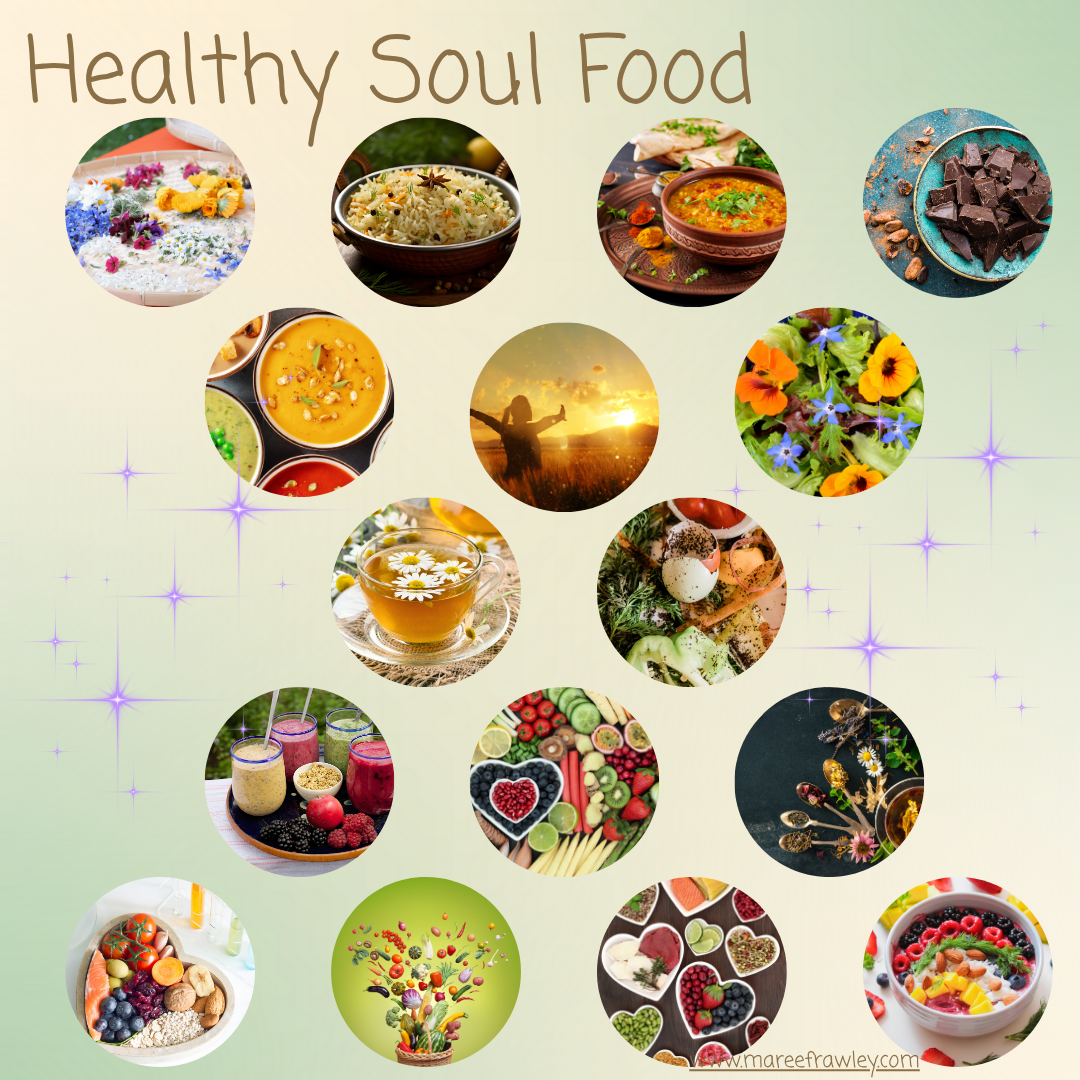
Scientific explanation – you can skip this
- Nutrients (carbohydrates, proteins, fats) fuel cellular processes and repair tissues. Micronutrients (vitamins, minerals) support enzymatic reactions (Lehninger Principles of Biochemistry, 7th ed.).
- Starvation depletes glycogen stores within ~1–2 days, then fat reserves, and finally muscle protein, leading to organ failure after weeks (Cahill, Annual Review of Nutrition, 2006).
- Specific deficiencies (e.g., vitamin C, scurvy) cause systemic failure over weeks to months.
Time to impact:
Weeks (typically 1–2 months without food, assuming water access).
Everyday Summary
Food is like fuel for a car.
You can go a while on reserves, but eventually, you’ll run out of energy and start breaking down.
The Role of Nutrition in Health
Nutrition provides energy and nutrients for detox pathways (liver, kidneys). Specific foods and herbs support heavy metal chelation and gut health, critical for toxin elimination.
Bio-individuality means everyone’s body reacts differently to food. A perfect example is how some love coriander while others find it soapy due to genetic taste differences (like the OR6A2 gene, as we discussed).
While general nutrition advice—like eating whole foods, avoiding sugar toxins, or monitoring chemicals and hormones in food—is a great starting point, tailoring your diet to your unique needs is just as essential.
For example, your body’s response to foods might vary based on your stress levels, hormonal balance, or Ayurvedic Dosha (Vata, Pitta, Kapha) and so much more.
Knowing yourself through tracking how foods affect your energy, digestion, or mood—say, noticing if sugar spikes make you sluggish or if organic veggies calm inflammation—helps you customize nutrition to support detoxification and overall health.
This personalized approach ensures you nourish your body effectively (Journal of Integrative Medicine, 2019).
Bio-individuality in nutrition is critical due to hormonal shifts, past exposures (like heavy metals from amalgam fillings), or unique digestive needs.
For instance, while a Vata type might thrive on warm, grounding foods like soups with turmeric to aid detox, a Pitta type might need cooling foods like cucumber to avoid irritation.
Journaling your reactions to foods, Applied Kinesiology or testing for sensitivities can guide you to choose nutrient-dense options, like pumpkin seeds for zinc to support liver detox, while avoiding hormone-disrupting chemicals in processed foods (Journal of Ayurveda and Integrative Medicine, 2020).

Integrated Holistic Action Steps
Nutrient-dense foods and specific protocols for your individual needs is as essential as mindful eating to align body and spirit, enhancing overall wellness.
There are so many pathways to live with nutrition. Below are just some thoughts or questions that you could contemplate.
Most importantly if you are happy with your nutrition – stay happy!
Remember food should fit it and enhance your life.
There are many aspects of soulful living….
Bless your food and the nutrients, have gratitude and hold the mindfulness of the joy and healing nutrients can bring.

Checklist of Questions for Determining Your Optimal Eating Pattern
There are some references to Fodmaps as it is still a current subject and I thought it was worth a bit of discussion.
1. Health Status and Medical Considerations
- Have you consulted a healthcare provider to confirm conditions like IBS, celiac disease, diverticulitis, IBD, SIBO, or food intolerances?
Why: Conditions like IBS may benefit from a Low FODMAP diet, celiac disease requires strict gluten-free eating, and diverticulitis may need a high-fiber or low-residue diet depending on the phase. Proper diagnosis ensures you’re addressing the root cause. Also, remember lower back support to reduce triggers of diverticulitis. - Do you have any diagnosed food allergies or sensitivities (e.g., lactose intolerance, gluten sensitivity, or nut allergies)? Applied kinesiology can also help identify sensitivities and weaknesses.
Why: Allergies or sensitivities may require specific eliminations (e.g., dairy-free for lactose intolerance, gluten-free for celiac). - Are you experiencing digestive symptoms (e.g., bloating, gas, diarrhea, constipation, or abdominal pain)?
Why: Symptoms may point to triggers like high FODMAP foods, which can be tested through a structured Low FODMAP diet under guidance. - Do you have other health conditions (e.g., diabetes, heart disease, or fibromyalgia) that may influence dietary needs?
Why: For example: a Low FODMAP diet may help fibromyalgia symptoms, while heart health may align with Mediterranean or plant-based diets. - Are you at a healthy weight, or do you have concerns about weight loss or gain?
Why: Restrictive diets like Low FODMAP or Paleo can lead to unintentional weight loss, which may be risky if you’re already underweight.
2. Nutritional Needs and Balance
- Are you getting enough protein, healthy fats, and carbohydrates for your activity level and health goals?
Why: Vegan and vegetarian diets may require careful planning for protein (e.g., tofu, tempeh, or small amounts of canned legumes for Low FODMAP). Paleo emphasizes protein but may lack carbs. - Are you at risk for nutrient deficiencies (e.g., iron, B12, omega-3s, calcium, or zinc), especially if following Vegan, Vegetarian, or Low FODMAP diets?
Why: Plant-based or restrictive diets can deplete certain nutrients, requiring supplementation or careful food choices (e.g., fortified plant milks, low FODMAP nuts/seeds). - Do you have access to nutrient-dense foods that align with your dietary preferences (e.g., low FODMAP vegetables like carrots, bell peppers, or gluten-free grains like quinoa)?
Why: Availability impacts sustainability. For example, Pescatarian diets can include low FODMAP fish, while Vegan diets need low FODMAP plant proteins. - Are you eating a variety of foods to ensure micronutrient intake (vitamins and minerals)?
Why: Variety prevents deficiencies, especially in restrictive diets like Low FODMAP or Gluten-Free. Reintroducing tolerated foods is key.
3. Lifestyle and Preferences
- What is your daily routine, and how much time can you dedicate to meal planning, shopping, and cooking?
Why: Complex diets like Low FODMAP require planning, while Paleo or Vegetarian may be simpler for some. - Do you enjoy the foods associated with your chosen diet (e.g., plant-based proteins for Vegan, meat-heavy for Paleo, or fish for Pescatarian)?
Why: Enjoyment ensures long-term adherence. For example, if you dislike seafood, Pescatarian may not suit you. - Are there cultural, ethical, or environmental values influencing your food choices (e.g., Vegan for animal welfare, Paleo for ancestral eating)?
Why: Aligning with values supports consistency, but you must balance this with health needs (e.g., Vegan Low FODMAP requires careful protein sourcing). - Do you eat out frequently, and can you find suitable options (e.g., gluten-free for Celiac, low FODMAP at restaurants)?
Why: Social dining can be challenging. Calling ahead or choosing simple dishes (e.g., eggs on gluten-free toast) helps.
4. Digestive Health and Dietary Triggers
- Have you noticed specific foods that trigger symptoms (e.g., garlic, onions, wheat, or dairy)?
Why: High FODMAP foods like garlic or wheat are common triggers for IBS. A Low FODMAP diet can identify these systematically. - Are you willing to follow a structured elimination diet (e.g., Low FODMAP’s 3-phase process) to pinpoint triggers?
Why: The Low FODMAP diet involves elimination (2-6 weeks), reintroduction, and personalization to find what you tolerate, not to restrict long-term. - Do you understand FODMAP stacking (combining multiple low FODMAP foods that may still trigger symptoms)?
Why: For example, eating broccoli, cauliflower, and mushrooms together may cause issues even if each is low FODMAP. - For diverticulitis, have you discussed with a doctor whether you need a low-residue diet during flares or a high-fiber diet for prevention?
Why: Diverticulitis diets vary by stage—low fiber during flares, high fiber (e.g., low FODMAP fruits like strawberries) for maintenance.
5. Physical and Mental Strength
- Does your current diet give you sustained energy for daily activities, exercise, or mental focus?
Why: A diet that supports strength (e.g., adequate protein for Paleo, carbs for energy) is key, not one that leaves you fatigued. - Do you feel restricted or stressed by your eating pattern, or does it feel empowering and sustainable?
Why: Diets like Vegan or Gluten-Free can feel restrictive if not tailored properly, impacting mental health. Low FODMAP should focus on freedom through trigger identification. - Are you seeing improvements in your physical health (e.g., reduced bloating, better digestion, or stable energy)?
Why: A diet that works for you should enhance vitality, not just follow trends. For example, Low FODMAP can reduce IBS symptoms in up to 86% of people. - Are you open to experimenting with foods to find what makes you feel strongest?
Why: Personalization (e.g., reintroducing tolerated FODMAPs or combining Pescatarian with low FODMAP) ensures the diet fits your body.
6. Professional Guidance and Safety
- Are you working with a registered dietitian, preferably one trained in your condition (e.g., Monash-trained for Low FODMAP)?
Why: A dietitian ensures nutritional balance, especially for restrictive diets like Low FODMAP, Vegan, or Gluten-Free. - Have you been cautioned against self-diagnosing or starting restrictive diets without medical supervision?
Why: Self-diagnosing IBS or celiac can miss serious conditions like IBD or cancer. Always get tested first. - Are you monitoring for unintended side effects (e.g., nutrient deficiencies, weight loss, or worsening symptoms)?
Why: Restrictive diets like Low FODMAP or Paleo can lead to deficiencies if not managed properly. - Do you have access to reliable resources (e.g., Monash University’s FODMAP app, celiac support groups)?
Why: Tools like the Monash app provide accurate FODMAP content, while support groups help with Gluten-Free or Celiac diets.
7. Long-Term Sustainability
- Is the diet sustainable for your lifestyle, budget, and health goals?
Why: Low FODMAP is temporary (2-6 weeks for elimination), while Vegan or Paleo may be lifelong but must be practical. - Are you reintroducing foods to avoid unnecessary restrictions (e.g., retesting FODMAPs or gluten)?
Why: Long-term restriction of healthy foods (e.g., fruits, grains) can harm nutrition. The goal is to eat as broadly as possible. - Does your diet align with your personal definition of strength (e.g., physical energy, mental clarity, digestive comfort)?
Why: Your diet should empower you, not mimic what’s popular or recommended by others.
Key Considerations for Specific Diets
- Low FODMAP: Best for IBS, SIBO, or diverticulitis. Temporary 3-phase process (elimination, reintroduction, personalization) to identify triggers like fructans or lactose. Not a fad; evidence-based. Use Monash University’s app.
- Paleo: Focuses on whole foods (meat, vegetables, nuts) but excludes grains and legumes, which may limit fiber or carbs. Not clinically proven for specific conditions but may suit some.
- Vegan/Vegetarian: Plant-based, ethical, or environmental focus. Can be low FODMAP with planning (e.g., tofu, tempeh, small portions of canned legumes). Watch for B12, iron, omega-3s.
- Pescatarian: Includes fish, which are low FODMAP and rich in omega-3s. Good for heart health and aligns with Mediterranean diet principles.
- Gluten-Free/Celiac: Mandatory for celiac disease; gluten-free may help non-celiac gluten sensitivity but often reduces FODMAPs, not gluten itself. Check for nutrient deficiencies.
- Diverticulitis: Low-fiber (low-residue) during flares; high-fiber (e.g., low FODMAP fruits/vegetables) for prevention. Consult a doctor for phase-specific guidance.
FODMAP stands for Fermentable Oligosaccharides, Disaccharides, Monosaccharides, and Polyols—types of carbohydrates that can be poorly digested and trigger digestive symptoms like bloating or diarrhea in some people, especially those with IBS. A Low FODMAP diet temporarily restricts these foods to identify triggers.
 Maree Frawley