This is not medical advice. This information is for education and entertainment purposes. Seek Professional Guidance and support with any lifestyle and nutritional change.
Overview of Oxidative Stress and Its Role in Healing
Professional Definition – you can skip
Oxidative stress is an imbalance between the production of reactive oxygen species (ROS) and the body’s antioxidant defenses, leading to cellular damage, inflammation, and impaired physiological functions (Free Radical Biology and Medicine, 2007). ROS, generated from metabolic processes or environmental toxins (e.g., heavy metals like mercury, cadmium, or aluminium from tap water), oxidize cellular components (DNA, proteins, lipids), disrupting mitochondrial function, lymphatic drainage, and glymphatic clearance, which contribute to chronic diseases like Alzheimer’s, cardiovascular issues, and immune dysfunction (Journal of Alzheimer’s Disease, 2014; Science, 2013).
Everyday Language Explanation
Oxidative stress is like your body rusting from the inside when harmful molecules (ROS) from toxins or stress overwhelm your body’s natural cleanup crew (antioxidants).
This “rust” can make you feel tired, foggy, or sick, especially if you’re carrying higher levels of heavy metals (NHMRC, 2024).
Thought-Provoking Analogy:
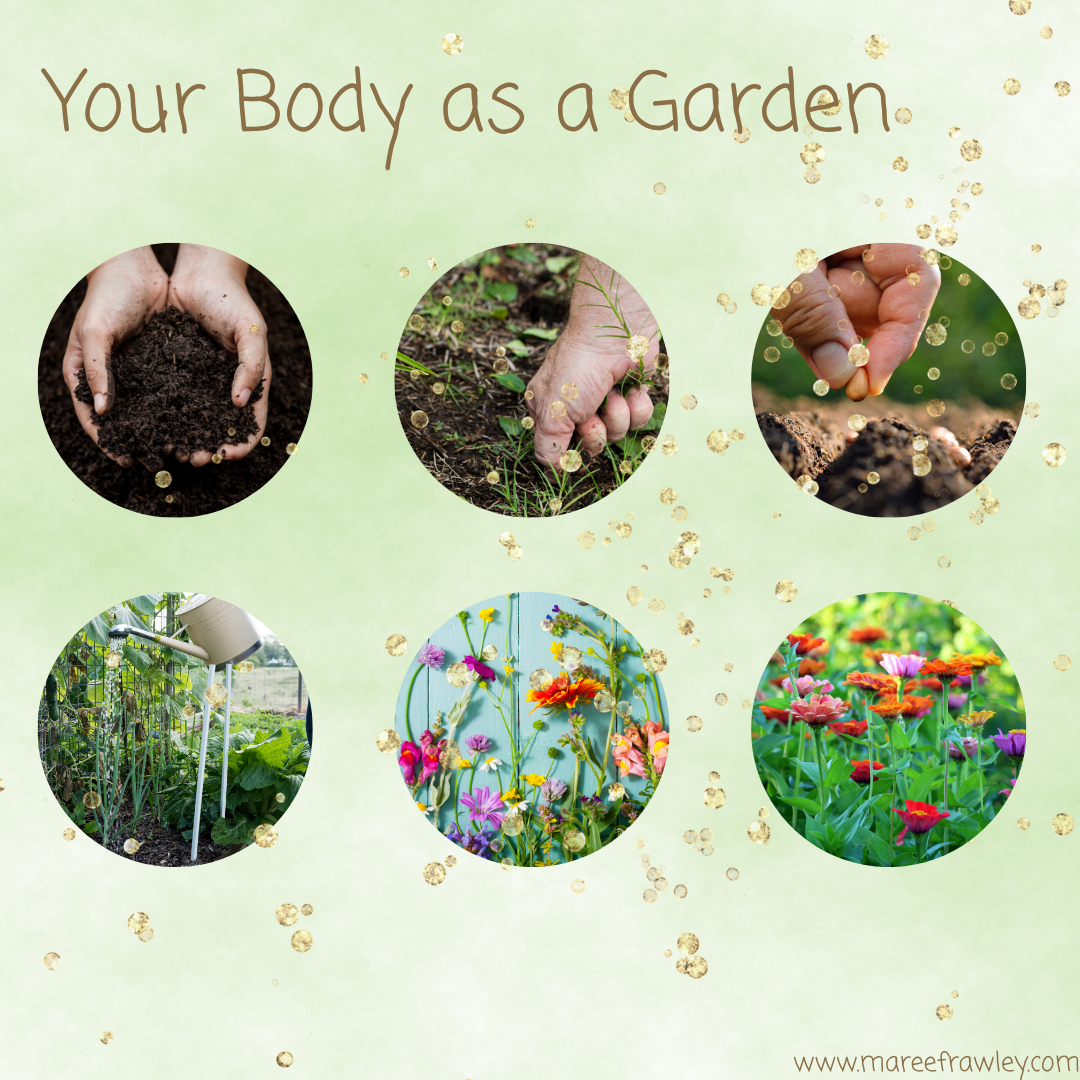
Your body is a garden, and oxidative stress is like drought and weeds (toxins) choking the plants.
For some, a sprinkle of water via nutrition as well revives the garden, but for others with heavy weeds (high toxicity), a full irrigation system (antioxidants, detox protocols) is needed to ignite the garden’s vibrant healing potential.
How Reducing Oxidative Stress Helps
Oxidative stress, exacerbated by heavy metals damages cells, impairs lymphatic flow (causing edema), and disrupts glymphatic clearance (leading to brain fog) (Frontiers in Public Health, 2014; Science, 2013).
Reducing even a small burden of oxidative stress can restore cellular balance, support detoxification, and enhance the hierarchy of health (Oxygen, Water, Nervous System, Sleep, Nutrition).
However, bio-individuality—unique genetic, environmental, and lifestyle factors—determines the level of support needed (Journal of Ayurveda and Integrative Medicine, 2020).
- For Some (Low Burden): Individuals with mild oxidative stress (e.g., from occasional tap water exposure) may see significant benefits from simple interventions like omega-3 fatty acids, which reduce inflammation and support nervous system health (Nutrients, 2017). For example, adding 1,000 mg EPA/DHA daily from fish oil can stabilize cell membranes, reducing ROS damage and supporting lymphatic/glymphatic function.
- For Others (High Burden): Those with high toxicity (e.g., from amalgam fillings, chronic EMR exposure, or parasite infections like Giardia from tap water) require more robust support, such as antioxidants (e.g., Vitamin C, glutathione, NAC) and chelators (e.g., chlorella, zeolite) to counteract metal-induced oxidative stress and restore systemic health (Journal of Environmental and Public Health, 2020; Web:4).
Why Bio-Individuality Matters
A cross over into Ayurveda as an example 🤗
Bio-individuality recognizes that each person’s body responds uniquely to oxidative stress and detox interventions, influenced by genetics, Dosha (e.g., Vata, Pitta), lifestyle, and toxin exposure (Journal of Ayurveda and Integrative Medicine, 2020).
For example:
- A Vata-type individual with low stress may thrive with omega-3s and affirmations, igniting healing via the placebo effect (Journal of Clinical Psychology, 2010).
- A Pitta-type with high toxicity (e.g., from tap water PFAS or mercury) may need NAC (600 mg daily), chlorella (1 tsp daily), and lymphatic massage to support liver and glymphatic function (Web:8; Science, 2013).
Tailoring interventions ensures the body’s potential is maintained, igniting the “miracle within,” as inspired by The Biology of Belief (Lipton, 2015).
Practical Applications for Reducing Oxidative Stress
For Low Burden Supports
- Omega-3 Fatty Acids: Take 1,000 mg EPA/DHA daily
- Antioxidants:
- Vitamin C: Take 1,000 mg daily to neutralize ROS and support lymphatic/glymphatic function (Nutrients, 2017).
- NAC: Take 600 mg daily to boost glutathione, aiding metal detox (Journal of Nutritional Biochemistry, 2019). Pair with 741 Hz for liver support.
- Chelators: Use chlorella (1 tsp daily) or zeolite (1/4 tsp daily) for 4–6 weeks to bind metals like aluminium or mercury (Journal of Environmental and Public Health, 2020).
- Lymphatic Support: Practice dry brushing (5 min daily) or lymphatic massage (weekly) to enhance detox, with 285 Hz for flow (Web:0).
- Parasite Support: If parasites are suspected (e.g., Giardia from tap water), use wormwood (100 mg daily, 2 weeks) under supervision (Web:4).
 Maree Frawley